
Many Americans want to start investing but hesitate because of things they’ve heard about the stock market. Some believe you need thousands of dollars to begin. Others think investing is basically gambling. see video on youtube
The truth is that many beginners stay out of the market because of misinformation. These myths often come from outdated advice, social media hype, or misunderstanding how long-term investing works.
If you’re new to investing, separating fact from fiction is one of the most important steps you can take. Understanding the reality behind common stock market myths beginners still believe can help you make smarter financial decisions and build long-term confidence.
This guide explains the most common myths, why people believe them, and what beginners in the United States should actually know before investing.
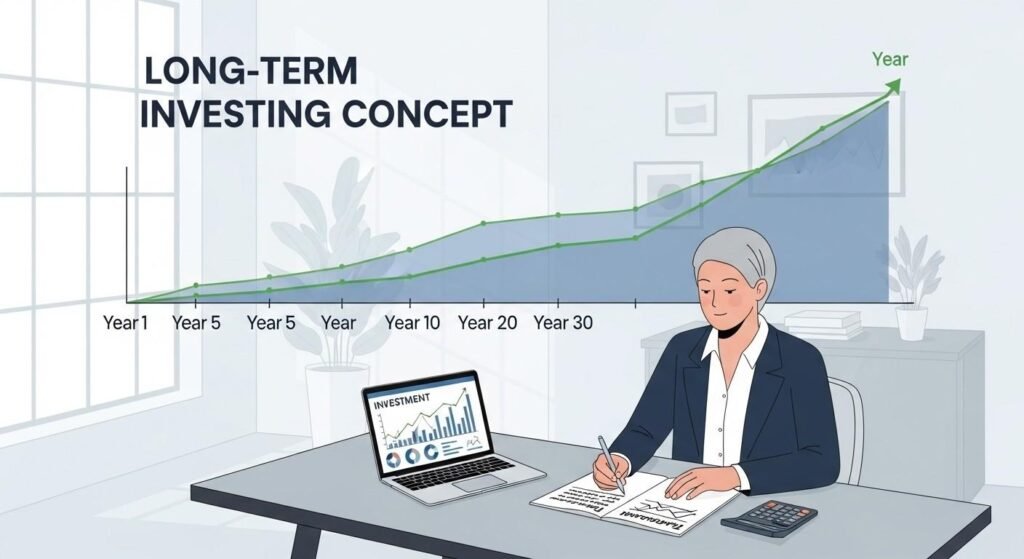
What Is the Stock Market? (Simple Definition)
The stock market is a financial marketplace where investors buy and sell shares of publicly traded companies.
When you buy a stock, you are purchasing a small ownership stake in that company. Over time, investors may earn returns through:
- Price appreciation (the stock value increases)
- Dividends (profits shared with shareholders)
- Long-term market growth
The stock market is one of the most widely used tools for long-term wealth building, retirement savings, and financial planning in the United States.
Why Stock Market Myths Spread So Easily
Financial myths spread quickly, especially online. Several factors contribute to this:
- Social media hype around fast profits
- Lack of financial education in schools
- News coverage focused on crashes
- Stories of lucky traders making huge gains
Because of this, many beginners develop unrealistic expectations or unnecessary fears.
Let’s break down the most common stock market myths beginners still believe and examine the facts behind them.
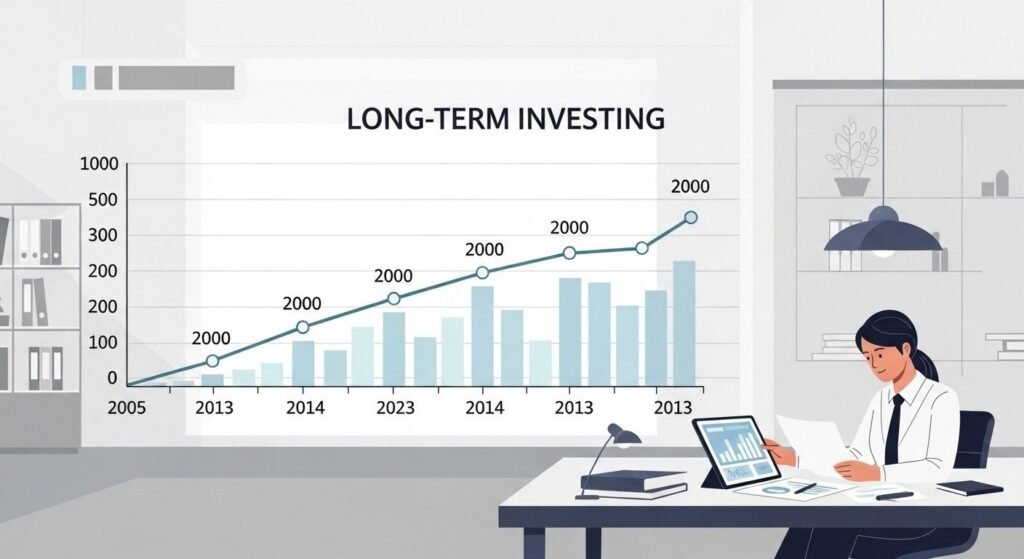
Myth #1: You Need a Lot of Money to Start Investing
This is one of the most common misconceptions.
Many beginners believe investing requires thousands of dollars upfront. Historically, that may have been true when brokerage minimums were high. Today, the situation is very different.
The Reality
Many investment platforms now allow people to start with small amounts of money.
For example, beginners can start investing with:
- Small monthly contributions
- Fractional shares
- Retirement accounts like a 401(k) or Roth IRA
A consistent habit of investing even $50–$100 per month can grow significantly over decades due to compound growth.
The key is consistency over time, not a large starting amount.

Myth #2: The Stock Market Is Just Gambling
Some people compare investing to casino betting. This belief usually comes from seeing short-term trading or speculative behavior.
The Reality
There is a major difference between investing and gambling.
Investing:
- Focuses on long-term growth
- Uses diversified portfolios
- Is based on economic growth and company performance
Gambling:
- Relies mainly on chance
- Has short time horizons
- Offers no ownership or long-term value
Historically, the U.S. stock market has grown over long periods because businesses expand, innovate, and generate profits.
However, short-term speculation or day trading can behave more like gambling. Beginners should understand this distinction clearly.
Myth #3: You Must Be an Expert to Invest
Many people assume investing requires advanced financial knowledge or a background in economics.
This myth discourages many beginners from even starting.
The Reality
While learning about investing is helpful, you do not need to be a financial expert to begin.
Many beginners start with simple strategies such as:
- Broad market index investing
- Long-term retirement accounts
- Automated investment plans
What matters most is understanding basic principles like:
- Diversification
- Risk tolerance
- Time horizon
- Compound growth
You can learn these concepts gradually while investing small amounts.

Myth #4: Timing the Market Is the Best Strategy
A popular belief is that successful investors must perfectly predict when to buy and sell.
This idea is heavily promoted in trading communities and financial media.
The Reality
Even experienced professionals struggle to consistently predict market movements.
Research repeatedly shows that attempting to time the market can lead to missed opportunities.
For example:
- Some of the stock market’s best days occur shortly after its worst days.
- Investors who stay out of the market waiting for the “perfect moment” often miss these rebounds.
A common beginner approach is long-term investing with regular contributions, sometimes called dollar-cost averaging.
This reduces the pressure of trying to predict market highs and lows.
Myth #5: The Stock Market Is Too Risky for Beginners
Risk is real in investing, but the perception is often exaggerated.
Many people believe that investing inevitably leads to large losses.
The Reality
Risk depends on how you invest, not just whether you invest.
For example:
Higher risk strategies may include:
- Speculative trading
- Concentrating money in a single stock
- Chasing trending investments
Lower risk approaches often include:
- Diversified portfolios
- Long investment horizons
- Regular contributions over time
Historically, long-term investors who stay diversified have experienced less volatility than short-term traders.
Understanding risk helps beginners make informed decisions rather than avoiding investing entirely.
Myth #6: You Can Get Rich Quickly in the Stock Market
Stories about people making huge profits overnight often attract attention online.
While such cases exist, they are extremely rare and often involve high risk.
The Reality
Most successful investors build wealth gradually over many years.
Long-term investing benefits from:
- Compound growth
- Dividend reinvestment
- Consistent contributions
For example, retirement accounts such as 401(k)s and Roth IRAs are designed for decades-long growth, not short-term speculation.
The stock market works best as a long-term financial tool, not a shortcut to instant wealth.
Practical Investing Guidance for Beginners
If you’re new to investing, focusing on simple fundamentals can help you avoid common mistakes.
Here are practical guidelines beginners often follow:
1. Start With Clear Financial Goals
Ask yourself why you want to invest:
- Retirement savings
- Long-term wealth building
- Financial independence
Your goals influence how you invest and how long you stay invested.
2. Build an Emergency Fund First
Before investing heavily, many financial experts recommend keeping 3–6 months of living expenses in savings.
This helps you avoid withdrawing investments during market downturns.
3. Invest Consistently
Regular investing can reduce the stress of market timing.
Many beginners invest monthly through:
- Retirement plans
- Automatic investment contributions
Consistency often matters more than perfect timing.
4. Think Long Term
The stock market can fluctuate in the short term.
However, historically it has shown growth over long periods. A long-term mindset can help investors avoid emotional decisions during market volatility.
Important Risk Awareness for New Investors
Every investment carries risk, and it’s important to understand that no return is guaranteed.
Common risks include:
- Market downturns
- Economic recessions
- Company performance changes
- Inflation impacts
Beginners should avoid:
- Investing money needed for short-term expenses
- Following hype or rumors
- Making emotional decisions during market swings
Education and patience are key to responsible investing.
Common Beginner Mistakes to Avoid
Even after understanding common stock market myths beginners still believe, new investors can still make avoidable mistakes.
Here are a few to watch for:
Emotional Investing
Fear and excitement often drive poor decisions.
Examples include:
- Selling during market drops
- Buying during hype cycles
Lack of Diversification
Putting all money into a single investment increases risk significantly.
Diversification spreads risk across different assets.
Ignoring Fees and Taxes
Costs such as:
- Investment fees
- Capital gains taxes
- Account expenses
can reduce long-term returns if ignored.
Following Social Media Trends
Online investing trends may not reflect sound financial strategies.
Always verify information from reliable financial education sources.
Building a Healthy Long-Term Investing Mindset
Successful investing often depends more on behavior and discipline than on complex strategies.
Healthy investing habits include:
- Patience during market cycles
- Consistent contributions
- Continuous financial learning
- Maintaining realistic expectations
Many experienced investors focus on steady long-term progress rather than short-term excitement.
Final Thoughts
Believing common stock market myths beginners still believe can prevent people from taking their first steps toward investing.
The reality is much more practical:
- You don’t need a large amount of money to begin.
- Investing is not the same as gambling when done responsibly.
- Long-term strategies tend to be more reliable than short-term speculation.
For beginners in the United States, understanding the fundamentals of investing, risk management, and long-term planning can make the stock market a useful tool for financial growth.
The most important step is education. Learning how markets work helps investors make informed decisions and avoid the misconceptions that often hold people back.
Frequently Asked Questions (FAQ)
1. Is the stock market safe for beginners?
The stock market carries risk, but beginners can reduce risk by investing long term, diversifying their investments, and avoiding speculative trading.
2. How much money do I need to start investing?
Many beginners start with small amounts such as $50–$100 per month. The most important factor is building a consistent investing habit over time.
3. Can beginners lose money in the stock market?
Yes. Investments can go down as well as up. Market fluctuations are normal, which is why long-term investing strategies are often recommended.
4. What is the best mindset for beginner investors?
A long-term perspective, patience, and ongoing financial education help beginners navigate market volatility and avoid emotional decisions.
Table of Contents

Stock Market Myths Beginners Still Believe Easy (Explained)
Many Americans want to start investing but hesitate because of things they’ve heard about the stock market. Some believe you […]
How Stock Prices Are Determined: What Moves the Market?
If you’ve ever opened a brokerage app and watched the red and green numbers flash across your screen, you’ve probably […]

Stock Market Crashes: What Happens & What to Do (Guide)
The news alerts start buzzing. Market Crash? Your phone pings with headlines screaming, “Dow Plummets 500 Points!” or “Markets in […]
How to Research a Stock Before Investing: 1 Beginner’s Guide
You’ve finally decided to take control of your financial future. You open an investment app, browse through a list of […]
Easy Learn Difference Between Stocks and Shares
So, you’ve finally decided to take control of your financial future. You’re reading the news, scrolling through finance blogs, and […]
What Is the Nasdaq Index? Easy Beginner Explanation
You’ve finally decided to take control of your financial future. You open a news app or a finance website, and […]

Investment Return Calculator USA | Project Your Wealth
Investment Return Calculator | Professional Financial Tool Investment Return Calculator USA Project your wealth — consistent returns, compound growth 💰 […]
What Is the New York Stock Exchange and How Does It Work?
Engaging Introduction Investing is a fundamental aspect of personal finance, enabling individuals to grow their wealth and secure their financial […]
How the US Stock Market Works Explained Easy
Have you ever heard a news anchor say, “The Dow jumped 500 points today,” and wondered what it actually means? […]
What Age Should You Start Investing? Easy
You’re finally ready to take control of your financial future. You’ve read the headlines about the stock market, heard coworkers […]