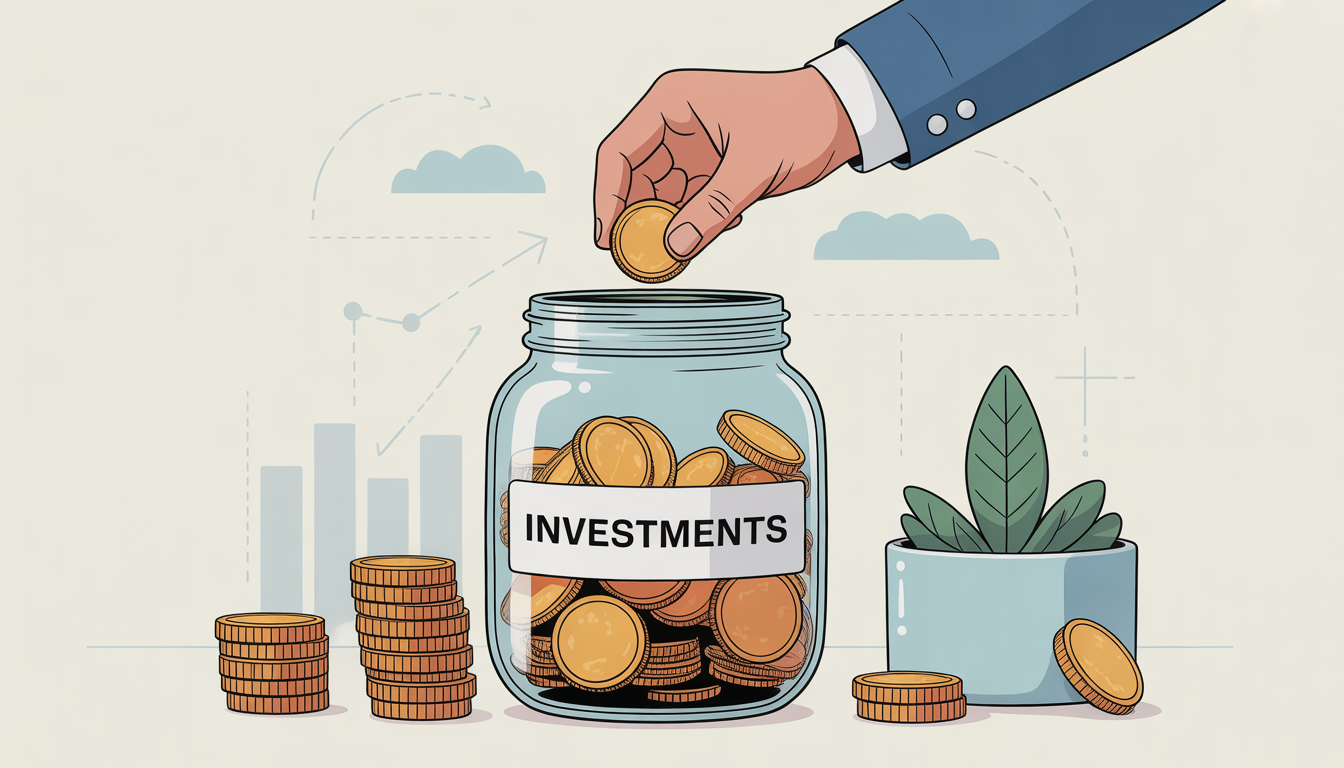
You hear “Diversification With ETFs” and your eyes glaze over. Sounds like something a guy in a suit says before charging you 1% to do nothing. But here’s the thing—most people. See video about ETEs
I know, including some who are pretty smart with money, accidentally end up doing the exact opposite.
They buy a few stocks they heard about on Reddit. Or they pile into the same tech giants because those names feel safe. Or—and this one hurts—they leave $15,000 sitting in a checking account earning nothing while inflation quietly eats away at it.

Not judging. I’ve done dumb stuff too.
But diversification with ETFs? That’s actually one of those rare things that sounds boring but works without asking much from you. Let me show you what I mean.
The Grocery Cart Analogy (Stick With Me) Diversification With ETFs
Last week I went to Costco. Bad idea on a Saturday. But whatever.
I watched this guy load his cart with nothing but protein bars. Like, thirty boxes. And I thought—man, what if they change the recipe? What if you get sick of peanut butter? What if there’s a recall?
That’s an undiversified portfolio.
Most beginners treat investing like they’re shopping for one thing they really like. Tech stocks. Crypto. That one ETF someone at work mentioned. But here’s the uncomfortable truth nobody tells you:
you don’t actually know which part of the market will show up next year.
Neither do I. Neither does the guy on CNBC with the perfect hair.
So diversification isn’t about being fancy. It’s about admitting you can’t predict the future. And ETFs just happen to be the easiest way to do something about that without needing a finance degree.
Why ETFs Instead of Buying Individual Stocks?
Real talk: buying individual stocks feels more exciting. I get the appeal. You pick a company, you watch it, you feel smart when it goes up.
But here’s what usually happens instead.
You buy five stocks. One does great. Two do nothing. One drops 30% on some random earnings report. And the fifth—who knows. You end up with a portfolio that’s basically a bet on a handful of companies. That’s not investing. That’s gambling with extra steps.

An ETF (exchange-traded fund, but you don’t need to remember that) is just a basket. One single ticker might hold hundreds or thousands of companies.
So instead of betting on whether Tesla or Ford wins the EV race, you buy an ETF that owns both plus
Toyota plus a bunch of suppliers you’ve never heard of. Some will win. Some will lose. But you’re not destroyed if one blows up.
That’s the whole trick. And it’s almost embarrassingly simple.
A Real Example That Hits Close to Home Diversification With ETFs
Let’s say you’re 32. You live in Austin or maybe outside Denver. Rent’s gone up twice in two years. You’ve got maybe $300 a month you can invest after everything else.
You hear about this AI boom. Everyone’s talking about it. So you think—I should go all in on AI stocks.
Bad move.
Not because AI is bad. But because “all in” on anything is how people get hurt.
Instead, you could put most of your money into a total market ETF
(things like VTI or ITOT—not recommending them, just examples). That alone spreads you across thousands of US companies. Then maybe 10-20% into something more specific if you really want to tilt toward AI or clean energy or whatever.
Here’s what happens in a bad year: let’s say AI stocks get hammered because of regulation or overhyped earnings. Your specialized ETF might drop 25%. But your broad market ETF? It might only drop 10% because healthcare, utilities, and consumer staples are still chugging along.
You didn’t get rich. But you also didn’t panic-sell at the bottom. And staying in the game is 80% of winning long-term. Nobody talks about that enough.
The Boring Secret That Actually Works
I used to think diversification was for people who were scared of money.
Now I think it’s for people who understand how little they know. And I mean that as a compliment.
Because here’s what I’ve learned after watching markets for over a decade: every year, something surprises everyone. In 2020 it was a pandemic. In 2022 it was inflation spiking when the Fed said it was “transitory.” In 2023 everyone said recession and it never came.
If you’re fully invested in one thing—tech, bonds, real estate, whatever—you’re one surprise away from a really bad year.
ETFs let you own US stocks, international stocks, bonds, real estate (through REIT ETFs), and even stuff like commodities. All without opening ten different accounts or tracking thirty different statements.
You can get genuinely diversified with three or four ETFs. That’s it.
Where People Mess This Up (Even Smart Ones)
Okay, real talk. The most common mistake isn’t failing to diversify. It’s fake diversifying.
People buy five different ETFs and think they’re diversified. But if you check—they’re all large-cap US growth funds. They all own the same 50 stocks. Apple, Microsoft, Amazon, Nvidia. Over and over.
That’s not diversification. That’s the same bet in five different wrappers.
Actual diversification means assets that don’t move in lockstep. When stocks go down, bonds often hold up better. When US stocks struggle, international might do okay. When everything’s tanking at once
(which happens, but not as often as you think), things like gold or cash give you options.
So don’t just count your ETFs. Look under the hood. What do they actually own?
How Much Is Enough? (No One Gives You a Straight Answer)
Here’s where I have to be careful because I can’t give personalized advice. But I can tell you how I think about it for myself.
I ask one question: If one part of my portfolio dropped 40%, would I be okay?
Not happy. Just okay. As in, not selling at the worst possible time.
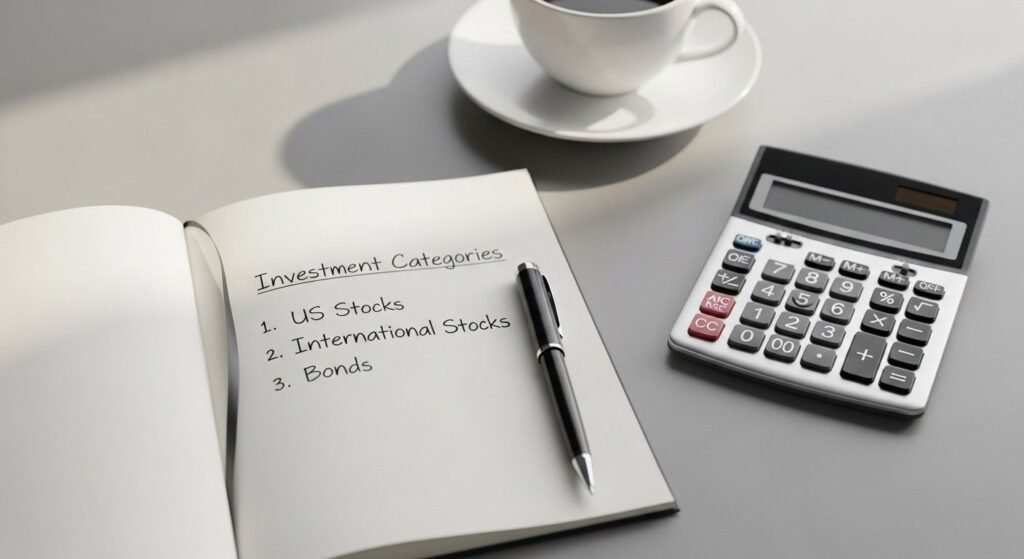
For most people, owning one broad US stock ETF and one broad bond ETF is a legit starting point. That’s two funds. Add an international ETF if you want. Now you’re more diversified than probably 80% of individual investors.
You don’t need fifteen ETFs. You don’t need commodities and emerging market debt and leveraged whatever. At some point, adding more funds stops helping. It just makes you feel busy.
The Risk Part Nobody Likes Talking About
I should mention this because it’s real: diversification reduces risk, but it doesn’t eliminate it.
In 2008, almost everything dropped at the same time. Stocks, real estate, even some bonds got hit. Diversification didn’t save you from losing money that year. What it did was prevent you from losing everything.
And when the market came back—which it did, though it took years
a diversified portfolio recovered because it wasn’t wiped out in a single sector collapse.
So don’t expect diversification to feel sexy. It won’t. What it will do is help you sleep better when someone on Twitter is screaming about a crash.
And for what it’s worth, sleeping better is underrated.
A Few Things I’d Tell My Younger Self
If I could go back to my 25-year-old self who thought he knew everything:
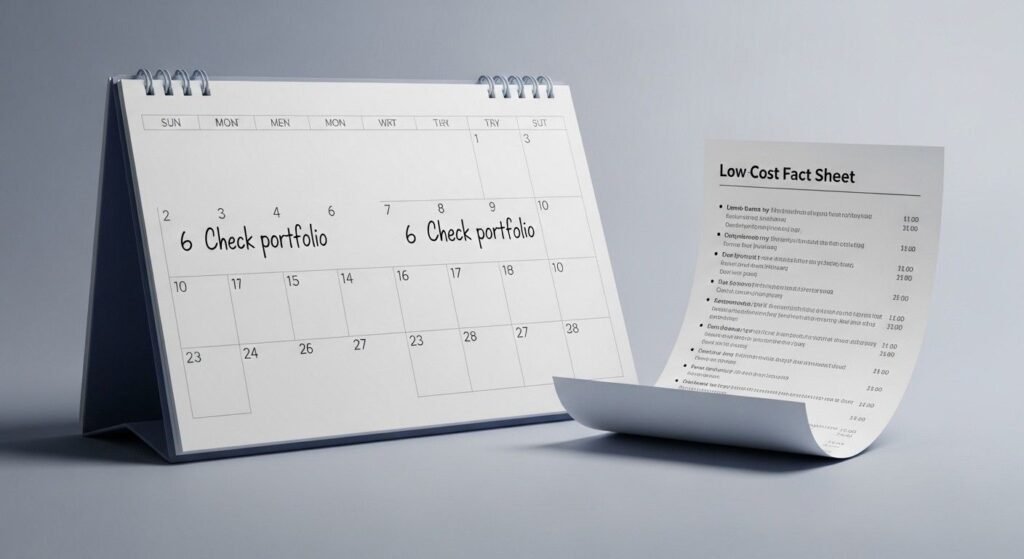
- Start with one low-cost total market ETF before buying anything else. Just one.
- Don’t confuse complexity with sophistication. Three ETFs is plenty.
- Check your portfolio twice a year, not twice a day.
- The best diversified portfolio is the one you can stick with when things get weird.
Also—and this is important—don’t beat yourself up for not being perfect. I’ve made every mistake I just warned you about. Still made money over time because I stayed in the game.
Frequently Asked Questions (Because Real People Ask These)
Do I need international ETFs or can I just stick with US stocks?
You can absolutely just stick with US stocks and still be reasonably diversified. But adding some international exposure means you’re not fully dependent on one country’s economy. The US has outperformed for a long stretch, but that doesn’t mean it always will. Japan in the 80s looked unstoppable too. Just something to think about.
How many ETFs is too many?
For a beginner? More than five or six is probably overkill. I’ve seen people with twenty ETFs who still aren’t actually diversified because everything overlaps. Start with two or three and only add more if you have a specific reason.
What’s the difference between an ETF and a mutual fund for diversification?
Honestly, for basic diversification they work similarly. ETFs trade throughout the day like stocks. Mutual funds price once after market close. ETFs usually have lower minimums and are more tax-efficient. But don’t lose sleep over it—owning either is better than owning nothing.
Can diversification protect me from a market crash?
Not completely. During a real panic, most stuff drops together. But diversification means you won’t get wiped out by one industry failing. And if you also hold bonds or cash, you’ll have dry powder to buy when things are on sale. That’s the part people forget.
One Last Thought Before You Go
You don’t have to be perfect at this.
You don’t need the perfect ETF mix on day one. You don’t need to rebalance every month. You don’t need to stress about whether you should have 3% more in emerging markets.
Just start. Put money into something broad. Add to it regularly. Ignore the noise.
Diversification with ETFs isn’t about being the smartest person in the room. It’s about being the one who’s still in the room twenty years from now.
And that’s a lot more achievable than most people think.