
Investing in the United States can feel confusing at first, especially for beginners who are unfamiliar with how the financial system works. Stocks, bonds, ETFs, retirement accounts, and brokers can all sound overwhelming. In reality, the basic idea of investing is simple: you put money into assets with the goal of growing your wealth over time.
How Investing Works
This guide explains how investing works in the United States in a clear, step-by-step way, so beginners can understand the system without technical jargon.
How Investing Works
Investing means using your money to buy assets that have the potential to grow in value or generate income over time. Instead of letting money sit unused, investing allows it to work for you.
how investing works In the U.S., common investment assets include:
- Stocks
- Exchange-traded funds (ETFs)
- Mutual funds
- Bonds
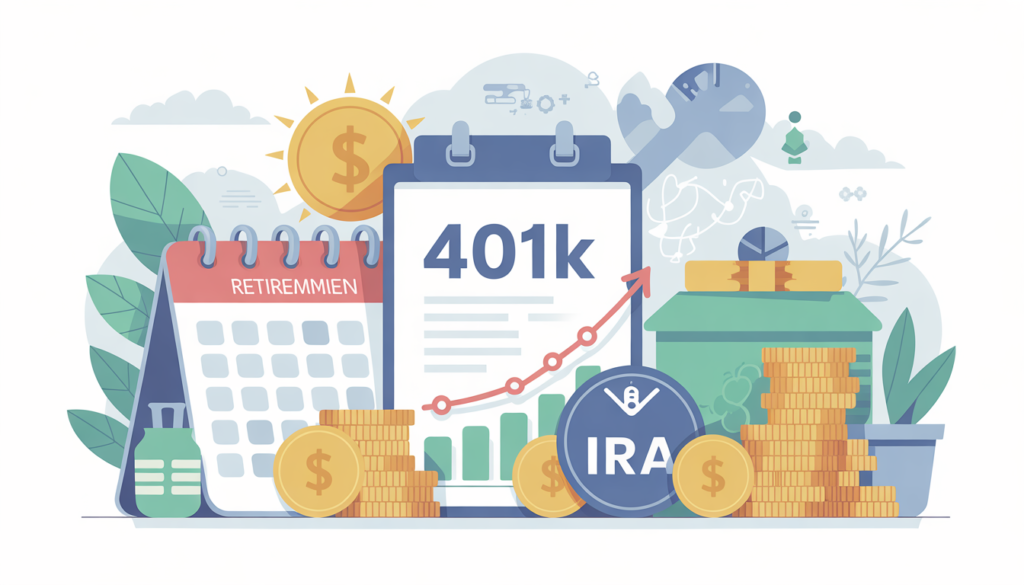
- Retirement accounts like 401(k)s and IRAs
Unlike saving, which focuses on safety and liquidity, investing involves risk. The goal is long-term growth, not short-term gains.
How the U.S. Investment System Is Structured

how investing works has several key parts that work together.
Financial Markets
Financial markets are places where investments are bought and sold. The most well-known U.S. stock markets are:
- The New York Stock Exchange (NYSE)
- The Nasdaq
These markets allow companies to raise money by selling shares, and investors to buy and sell those shares.
how investing works in Companies
When a company wants to grow, it may offer ownership shares to the public. Investors who buy these shares become partial owners of the company.
Investors
Investors can be individuals, institutions, retirement funds, or organizations. In the U.S., millions of everyday people invest through retirement plans or brokerage accounts.
Regulators
Government agencies such as the Securities and Exchange Commission (SEC) oversee the markets. Their role is to protect investors, enforce rules, and promote fair trading practices.
Common Types of Investments in the U.S.
Stocks
A stock represents ownership in a company. If the company grows and becomes more valuable, the stock price may increase. Some companies also pay dividends, which are portions of profit shared with shareholders.
ETFs (Exchange-Traded Funds)
ETFs are collections of investments bundled together. Instead of buying one company’s stock, an ETF can give exposure to many companies at once. ETFs are popular because they offer diversification and lower risk compared to picking individual stocks.
Mutual Funds
Mutual funds pool money from many investors and are managed by professionals. They are commonly used in retirement accounts and long-term investment plans.
how investing works as bonds
Bonds are loans made to governments or corporations. In return, investors receive interest payments. Bonds are generally considered lower risk than stocks, but they usually offer lower returns.
Investment Accounts in the United States
To invest, you need an investment account. In the U.S., there are two main categories.
Brokerage Accounts
A brokerage account allows you to buy and sell investments freely. You can open one through an online broker and invest in stocks, ETFs, bonds, and more.
Retirement Accounts
Retirement accounts offer tax advantages and are designed for long-term savings.
Common types include:
- 401(k): Employer-sponsored retirement plan
- Traditional IRA: Tax-deferred individual retirement account
- Roth IRA: Tax-free growth retirement account
Each account type has different tax rules and contribution limits.
How People Start Investing in the U.S.

Most beginners follow a simple process:
- Open an investment account with a brokerage or retirement provider
- Add funds from a bank account
- Choose investments based on goals and risk tolerance
- Hold investments long term rather than frequently trading
Investing is not about constant buying and selling. Many successful investors focus on long-term growth and consistency.
Risk and Reward in Investing
All investments involve risk. Prices can go up or down due to market conditions, economic changes, or company performance.
Key factors that affect risk include:
- Market volatility
- Economic cycles
- Interest rates
- Inflation
Diversification — spreading money across different investments — helps reduce risk. This is why many beginners prefer ETFs and index funds.
The Role of Time in Investing
Time is one of the most important factors in investing. Long-term investing allows money to benefit from compounding, where earnings generate additional earnings over time.
In the U.S., many investors focus on long-term goals such as:
- Retirement
- Financial independence
- Education savings
Short-term market movements matter less when investments are held for many years.
Taxes and Investing in the United States
Taxes play a role in investing, but the rules depend on the account type.
- Brokerage accounts may trigger capital gains taxes when investments are sold
- Retirement accounts offer tax deferral or tax-free growth
- Dividends and interest may be taxable
Understanding basic tax rules helps investors plan more effectively.
Common Mistakes Beginners Should Avoid
Many new investors make the same mistakes:
- Trying to time the market
- Investing without a plan
- Chasing trends or hype
- Ignoring diversification
- Making emotional decisions
Successful investing is usually boring, consistent, and patient.
Is Investing Only for Wealthy People?
No. In the United States, many investment platforms allow people to start with small amounts. Fractional shares and low-cost ETFs have made investing more accessible than ever.
What matters more than the starting amount is consistency and long-term discipline.
Final Thoughts
Investing in the United States is built around long-term growth, regulated markets, and diversified options. While it carries risk, investing remains one of the most common ways people work toward financial goals over time.