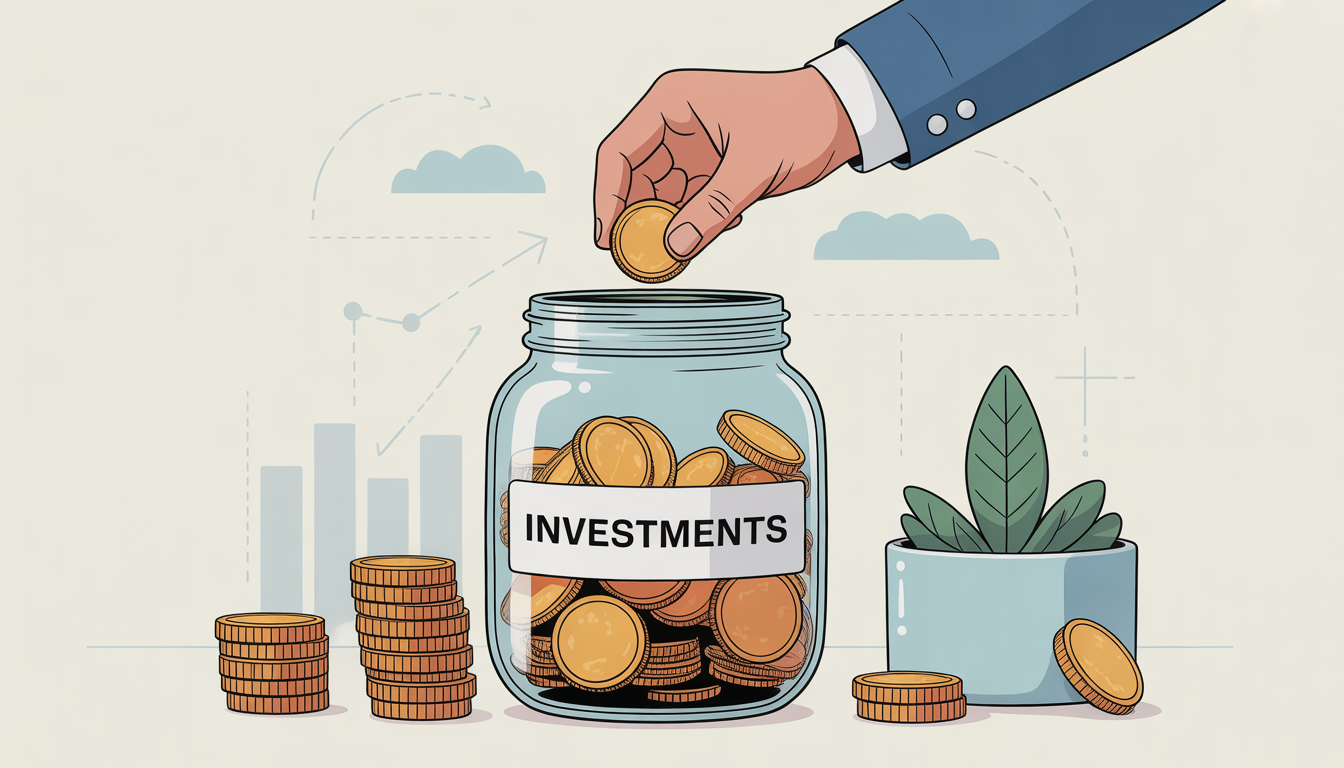
In the United States, most people believe the reason they are not building wealth is simple: their income isn’t high enough.
That explanation feels logical — and it’s wrong.
In reality, many Americans earn decent money and still struggle financially.
According to multiple U.S. financial surveys, a large percentage of households live paycheck to paycheck, even at middle- and upper-middle-class income levels. The issue isn’t just earnings. It’s spending behavior.
If you want to build wealth in the U.S., the fastest progress often comes from stopping specific habits, not adding more income streams.
Below are seven common spending patterns in American households that quietly destroy wealth over time — even for people who “make good money.”
1. Daily Convenience Spending That Adds Up Fast

In the U.S., convenience is everywhere — drive-thru coffee, food delivery apps, vending machines, and quick online purchases.
A $5 coffee or a $12 lunch doesn’t feel like a financial mistake. But when these expenses happen daily, the annual cost becomes serious. Many Americans unknowingly spend thousands of dollars per year on convenience purchases they could easily reduce.
The issue isn’t enjoying small comforts. The issue is untracked, automatic spending.
Wealthy households in the U.S. tend to be intentional with recurring expenses. They don’t eliminate enjoyment — they eliminate waste.
Small spending habits repeated daily compound just like investments. The only difference is direction.
if you cant read see this youtube channel
2. Stop Buying Brand-Name Clothing and Lifestyle Purchases for Image

American consumer culture strongly rewards appearance. Designer clothes, premium sneakers, and trendy accessories are often treated as symbols of success.
The financial reality is simple: most brand-name clothing depreciates instantly. You pay extra for a logo, not long-term value.
Spending money to project success instead of building it is one of the most common traps in the U.S. middle class. These purchases don’t improve income, stability, or net worth.
Many financially independent Americans dress simply, prioritize durability, and ignore trends — not because they can’t afford more, but because they understand opportunity cost.
3. Financing New Cars Instead of Buying Strategically
Car culture in the United States is one of the biggest wealth destroyers.
New cars lose value the moment they leave the dealership, yet millions of Americans finance them over five to seven years. The focus is almost always on the monthly payment instead of the total cost, interest, insurance, and depreciation.
A vehicle is transportation — not an investment.
In many U.S. households, the car payment is larger than monthly savings or investment contributions. That single decision can delay financial independence by years.
High-net-worth individuals often drive reliable used cars because they understand that tying future income to depreciating assets limits wealth growth.
4. Constant Phone and Tech Upgrades

American tech marketing is built on urgency and comparison. Every year, consumers are told their devices are outdated, even when they function perfectly.
Upgrading phones, tablets, and gadgets frequently rarely increases productivity or income. What it does increase is consumer spending without return.
Financially disciplined people in the U.S. treat technology as tools, not status symbols. They replace devices when necessary, not when a new version is released.
Maximizing the useful life of technology is a small habit that saves thousands over time.
5. Lifestyle Inflation After Raises and Promotions
One of the most common American financial traps is lifestyle inflation.
A raise leads to a nicer apartment, a bigger home, better furniture, more dining out, and higher fixed costs. The result? The same financial stress — just at a higher income level.
Many U.S. professionals earning six figures still struggle because expenses rise as fast as income.
Wealth is created when income increases faster than lifestyle. The gap between earnings and spending is where savings, investing, and financial security are built.
6. Subscription Overload and Forgotten Monthly Charges
Subscriptions are deeply embedded in American life — streaming services, apps, software tools, memberships, and online platforms.
Each one feels inexpensive. Combined, they quietly drain hundreds of dollars per month.
Most people don’t regularly audit their bank statements. Financially successful Americans do.
Canceling unused subscriptions is not about deprivation. It’s about control.
7. Spending Money to Impress Others
In the U.S., social pressure plays a massive role in spending decisions. Bigger homes, newer cars, expensive vacations, and curated social media lifestyles create constant comparison.
Spending to impress others is one of the most damaging habits financially. It trades long-term freedom for short-term validation.
The people you are trying to impress are rarely contributing to your financial future.
True wealth in America is the ability to make decisions without social pressure — and without debt.
Final Thoughts: Wealth in the U.S. Is Built by Avoiding Common Traps
You don’t need extreme frugality to build wealth in the United States.
You need awareness.
Most Americans don’t fail financially because of one big mistake. They fail because of normal, repeated spending habits that society encourages and rarely questions.
Building wealth is often less about doing more and more about doing less of the wrong things.
Stop buying what delays your freedom.
Start prioritizing what compounds in your favor.
That’s how long-term wealth is built in the United States.
Table of Contents
How Investing Works in the United States (Beginner Guide)
ADHD Budget Planner App | Debt Tracker, Bill Organizer (Digital Download)
Debt Payoff Tracker 💳 Debt Payoff Tracker Auto-savedFREE DEMO ⭐ Instructions 💳 My Debts 📊 Dashboard ❄️ Snowball Plan 🏔️ Avalanche Plan 📅 Payment Log 🎯 Debt-Free Countdown 🔒 This is a FREE DEMO — you can add up to 2 debts to test it out. Get the full version for unlimited debts, saved data,…
Free Debt Payoff Tracker — Try the Snowball & Avalanche Calculator
Paying off debt feels overwhelming when you don’t know where to start, which balance to attack first, or how much interest you’re really losing each month. That’s exactly why we built the Debt Payoff Tracker — a simple, visual tool that turns your credit cards, loans, and balances into a clear, step-by-step payoff plan. Instead…

Free Vehicle Bill of Sale Template & Generator | Fillable PDF
What Is a Vehicle Bill of Sale Template? A vehicle bill of sale is a document that records the private sale of a car, truck, SUV, motorcycle, ATV, UTV, van, RV, boat, or trailer. It confirms who bought and sold the vehicle, the price paid, the vehicle’s condition, and any disclosures both parties agreed to…

Best Brokerage for Beginners: Top 5 Picks for 2026
I remember staring at my bank balance about eight years ago, convinced I didn’t have “enough” money to start investing. I thought you needed thousands of dollars, a Wall Street connection, and maybe a fancy calculator just to get in the door. So I just… didn’t do anything. I let that money sit in a…
Stock Profit Calculator USA Capital Gains & Commission Tool
📊 Stock Profit Calculator USA 📈 Number of shares 💰 Buy price ($) 💸 Sell price ($) 🛒 Buy commission ($) 🏷️ Sell commission ($) 🏛️ Tax rate (%) 0% (No tax)15% (Long-term)20% (High income)37% (Short-term) 💰 Calculate My Profit Net Buy Cost: $0 Net Sell Proceeds: $0 Profit Before Tax: $0 Tax Amount: $0…
IUL vs Roth IRA vs 401k | Honest Take for Beginners
Here’s the thing nobody tells you when you first start hearing about retirement accounts: there are about a million ways to save for the future, and half of them come with acronyms that sound like government surveillance programs. IUL vs Roth IRA vs 401k free investment return calculator If you’ve ever stared at a benefits…
7 Best Side Hustles for Beginners in 2026
Let me be real with you for a second. Most “side hustle” articles you’ll find online were written by someone who’s never actually done any of them. They list the same seven things, slap some numbers on it, and call it a day. You read it, feel motivated for about eleven minutes, and then do…
Side Hustles for Nurses in 2026: 9 Real Ways to Earn Extra Income
why Start Side Hustles for Nurses Long shifts. Emotional exhaustion. The physical toll. And yet, depending on where you live in the U.S.—say, a coastal city or even a growing spot like Nashville or Austin—that paycheck might vanish faster than a turkey sandwich on a 12-hour night shift. How Much Can Nurses Realistically Earn From…
The Retirement Spending Gap (Real Math)
I used to think retirement was simple math. You save. You stop working. Then you spend what you saved until it runs out. That feels logical, right? Like filling a bathtub and then pulling the drain plug. So Retirement Spending Gap Video is Here But here’s the thing. That’s not what actually happens for a…

I saved $10 per day for 30 days—here’s how much I made
It started as a bet with myself. Not the kind of bet Where you put money on a game or talk yourself into buying something dumb. The boring kind. The kind where you look at your bank account on a random Tuesday and think, surely I can find ten bucks somewhere. So I tried it.…














Pingback: The $100 Budgeting Rule That Actually Works (Try It for 30 Days)
Pingback: How Investing Works in the United States (Beginner easy Guide) 2026
Pingback: The 2-3-5 financial freedom plan: Retire Early in Just 5 Years
Pingback: Difference Between Save or Invest (With 1 Real Examples)
Pingback: 7 Common Investing Mistakes Beginners Make (2026)
Pingback: How to Convert Images to PDF Files