
📊 Investment Calculator USA · 2026
📌 Your results
Frequently Asked Questions
Quick answers about the investment calculator
1. Introduction
Investing money is one of the most common ways people in the United States try to build long-term wealth. However, many beginners struggle with one simple question: How much could my investment grow over time?
An Investment Calculator helps answer that question.
This tool allows you to estimate how your money may grow based on factors like your starting investment, monthly contributions, interest rate, and investment period. Instead of guessing or doing complicated math, the calculator provides a quick projection of possible growth.
While no calculator can predict the future, it can help you understand how consistent investing and compound growth may affect your money over time. This makes it easier for beginners to plan, set goals, and see the potential impact of long-term investing.
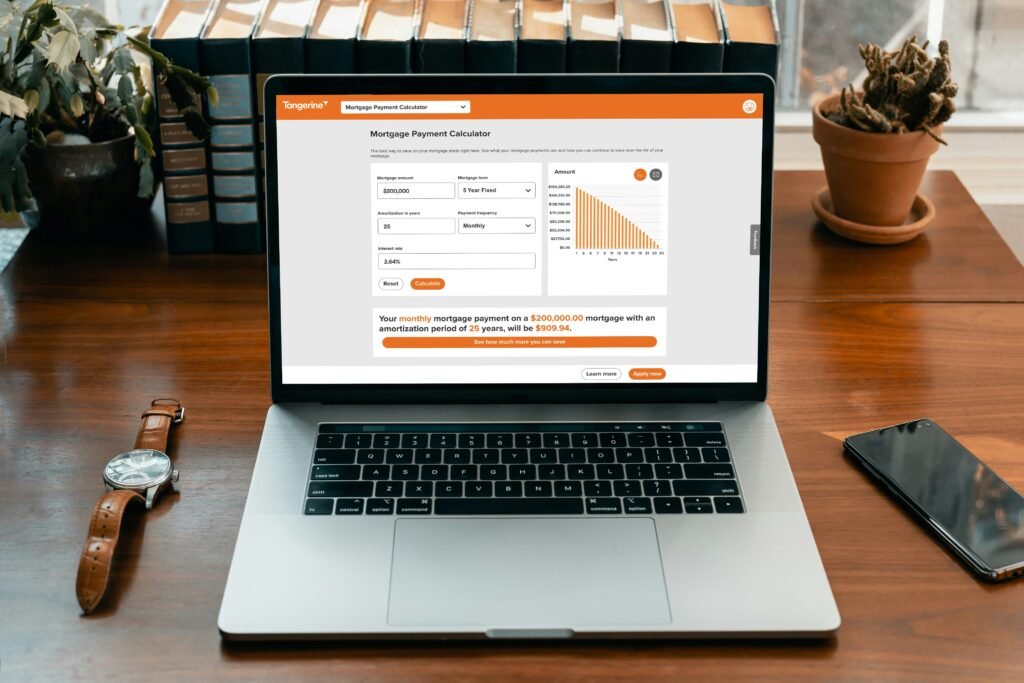
2. What Is an Investment Calculator?
An Investment Calculator is a simple financial tool used to estimate how an investment might grow over time.
It uses a mathematical formula that considers several important factors:
- The amount you invest initially
- Additional contributions over time
- Expected rate of return
- The total investment period
By entering these numbers, the calculator estimates the future value of your investment.
For beginners, this tool is especially useful because investment growth often involves compound interest, which can be difficult to calculate manually. Instead of doing complex calculations yourself, the calculator handles the math instantly.
People commonly use investment calculators to:
- Plan long-term savings
- Understand potential investment growth
- Compare different contribution amounts
- Set realistic financial goals
It’s important to remember that an investment calculator provides estimates, not guarantees. Actual investment results can vary depending on market conditions and other factors.
3. How to Use This Investment Calculator See video on Youtube
Using the Investment Calculator on this page is simple. You only need to enter a few numbers to generate an estimate.
Below is a step-by-step explanation of each input field.
1. Initial Investment
This is the amount of money you invest at the beginning.
For example:
- $500
- $1,000
- $5,000
This amount acts as the starting point for your investment growth.
2. Monthly Contribution
This field allows you to enter the amount you plan to invest every month.
Many investors regularly add money to their investments instead of investing only once.
Examples:
- $50 per month
- $200 per month
- $500 per month
Regular contributions can significantly increase the value of your investment over time.
3. Interest Rate (Expected Return)
The interest rate represents the estimated annual return on your investment.
This number is usually entered as a percentage.
Examples:
- 4% annual return
- 6% annual return
- 8% annual return
Keep in mind that investment returns can vary from year to year, and no rate of return is guaranteed.
4. Investment Period
The investment period is the length of time you plan to keep the money invested.
This is usually measured in years.
Examples:
- 5 years
- 10 years
- 20 years
- 30 years
Longer investment periods generally allow more time for compound growth to work.
After entering these values, the calculator estimates:
- Total amount invested
- Estimated interest earned
- Final investment value
This gives you a clearer picture of how your investment might grow.
4. How Investment Growth Works

Investment growth largely depends on a concept called compound interest.
Compound interest means that your earnings start generating their own earnings over time.
Here’s how it works in simple terms:
- You invest money.
- The investment earns returns.
- Those returns are added to your balance.
- In the future, you earn returns on both the original investment and the previous earnings.
This process repeats over time, causing the investment to grow faster the longer it remains invested.
Because of this effect, time is one of the most important factors in investing. Starting earlier often provides more opportunity for compound growth.
5. Example Investment Calculation
Let’s look at a simple example to understand how the calculator works.
Assume the following inputs:
- Initial investment: $1,000
- Monthly contribution: $100
- Annual return: 6%
- Investment period: 20 years
Over time, you would invest:
Initial investment: $1,000
Monthly contributions: $100 × 240 months = $24,000
Total invested: $25,000
With compound growth, the investment may grow to a value higher than the total contributions, depending on the return rate.
This example shows how consistent contributions combined with time can potentially increase investment value.
Again, these calculations are estimates and actual results may differ.
6. Benefits of Using an Investment Calculator
Investment calculators are widely used because they simplify financial planning.
Here are some key benefits:
• Helps visualize long-term investment growth
• Makes complex compound interest calculations easy
• Allows you to test different investment scenarios
• Helps set realistic savings and investment goals
• Shows the impact of regular monthly contributions
• Encourages long-term financial planning
For beginners, seeing the numbers can make investing easier to understand.
7. Tips for Beginners Starting to Invest
If you are new to investing, it’s important to focus on learning the basics before making decisions.
Here are some simple tips to consider:
Start Early
The earlier you start investing, the more time your money has to potentially grow through compound interest.
Invest Consistently
Regular contributions can help build investment value gradually over time.
Think Long Term
Investments often experience ups and downs in the short term. Long-term investing focuses on gradual growth over many years.
Understand the Risks
All investments involve some level of risk. It’s important to understand what you are investing in.
Keep Learning
Financial education can help you make better decisions and avoid common mistakes.
8. Common Investment Mistakes to Avoid

Many beginners make similar mistakes when starting to invest. Being aware of them can help you make better decisions.
Trying to Get Rich Quickly
Investing is typically a long-term process, not a quick way to make money.
Ignoring Investment Costs
Fees and expenses can reduce long-term returns if they are too high.
Not Diversifying
Putting all your money into one investment can increase risk.
Investing Without a Plan
Having clear goals helps guide investment decisions.
Reacting Emotionally to Market Changes
Short-term market movements can cause emotional reactions, which sometimes lead to poor decisions.
Learning patience and discipline is important when investing.
9. Related Tools
If you want to explore more financial planning tools, you may also find these calculators helpful:
Compound Interest Calculator
Estimate how compound growth affects savings and investments.
Retirement Calculator
Plan long-term savings needed for retirement.
Savings Calculator
Estimate how regular deposits can grow over time.
These tools can help you better understand different aspects of personal finance and long-term planning.
10. Frequently Asked Questions (FAQ)
What does an investment calculator show?
An investment calculator estimates how your money may grow based on your starting investment, contributions, interest rate, and time period.
Are the results from an investment calculator accurate?
The results are estimates, not guarantees. Actual investment performance can vary depending on market conditions and other factors.
Why is time important for investing?
Time allows compound growth to work. The longer money remains invested, the greater the potential impact of compounding.
Can beginners use an investment calculator?
Yes. Investment calculators are designed to be simple tools that help beginners understand how investing and compound growth work.
Using an Investment Calculator can make financial planning easier and help you understand how small contributions today may grow over time. While it cannot predict the future, it can provide useful insight into the potential effects of long-term investing and consistent contributions.
Table of Contents

Start Investing in the US? How Much Money Do You Need Easy 2026
Start Investing in the US You’ve finally paid off a chunk of credit card debt, you’ve got a small cushion […]

Stop Buying These 7 Things If You Want to Be Rich
In the United States, most people believe the reason they are not building wealth is simple: their income isn’t high […]
What Is Investing? 1 Simple Guide for Beginners in the USA
You work hard for your money. You pay your bills, cover your rent or mortgage, and maybe put a little […]

The $100 Budgeting Rule That Actually Works (Try It for 30 Days)
Managing money shouldn’t feel complicated, $100 budgeting rule yet for millions of Americans, budgeting feels overwhelming, frustrating, and ineffective. You […]

The 2-3-5 financial freedom plan: Retire Early in Just 5 Years
financial freedom plan Have you ever stared at your alarm clock and wondered how many more mornings you’ll be forced […]

7 Common Investing Mistakes Beginners Make (2026)
You’ve done the hard part. You’ve saved up a few hundred dollars, opened a brokerage account, and you’re ready to […]

How Long-Term Investing Builds Wealth (1 Beginner’s Guide)
If you’ve ever looked at your bank savings account and wondered if your money could be doing more, you are […]
Difference Between Save or Invest (With 1 Real Examples)
You just got your paycheck. You paid your rent, covered your groceries, and there is still some money left in […]

How the US Stock Market Works Explained Easy
Have you ever heard a news anchor say, “The Dow jumped 500 points today,” and wondered what it actually means? […]
What Is the Nasdaq Index? Easy Beginner Explanation
You’ve finally decided to take control of your financial future. You open a news app or a finance website, and […]