So the Other Driver Got a Ticket. What Does “Cited” Actually Mean for Your Wallet?
Let me paint a scene I’ve been through myself. Other Driver Was Cited Meaning
You’re sitting at a red light. Coffee in hand. Thinking about that work email you probably should’ve sent before you left the house. Then — thump. Someone behind you didn’t stop quite as fast as you did. Nothing violent, but enough to snap your head back and ruin your morning.
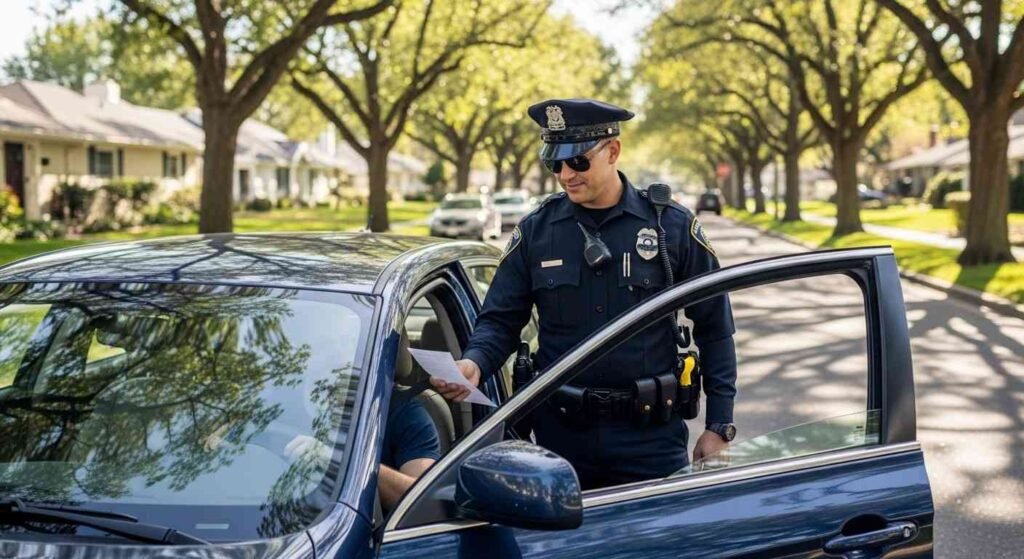
You both pull into the parking lot next to the CVS. Exchange insurance cards. The cop shows up twenty minutes later, talks to both of you separately, and then walks back to his car for what feels like forever. Other Driver Was Cited Meaning

When he finally comes over, he hands the other driver a piece of paper.
That’s when you hear it: “Sir, I’m citing you for failure to control speed.”
The other driver was cited.
And now you’re standing there thinking: Okay, cool. They got a ticket. So does that mean their insurance automatically pays for everything? Do I still have to pay my deductible? Am I good to just drive away and forget this happened?
Not so fast.
First, Let’s Be Real About What “Cited” Actually Means
When an officer cites someone, they’re basically giving them a formal invitation to appear in court or pay a fine. It’s not a conviction. It’s not a final judgment. It’s the legal version of a teacher writing “see me after class” on your homework.
The other driver got a ticket. That’s it.
But here’s where money and reality collide: a citation doesn’t automatically mean they’re 100% at fault in the eyes of insurance companies. I know, that sounds backwards. You’d think a police officer writing a ticket is the final word.
It’s not.
Insurance adjusters do their own investigation. They’ll look at the police report — yes, the officer’s notes matter — but they’ll also look at photos of the damage, witness statements, and sometimes even traffic camera footage if it exists. The citation is evidence. Sometimes strong evidence. But it’s not a magic wand.
The Real Question You Care About: Who Pays? Other Driver Was Cited Meaning
Let me give you a scenario that happens every single day in the U.S.
You’re driving your 2018 Honda CR-V through a suburban intersection in Florida. The other driver runs a stop sign. Cop sees it happen. Issues a citation for “disobeying a traffic control device.” Open and shut, right?
Most of the time, yeah. Their insurance will probably accept liability. You won’t pay your deductible if you go through their claim. Your rates shouldn’t go up because you weren’t at fault.
But here’s where it gets messy.
What if the other driver decides to fight the ticket in court? What if they show up and argue that the stop sign was blocked by an overgrown tree branch? Now that citation isn’t so ironclad anymore. Their insurance might wait until the court case resolves before paying you a dime.
And you? You might be stuck waiting. Renting a car out of pocket if you don’t have rental reimbursement on your own policy. Missing work. Getting those annoying calls from the body shop asking when you’re bringing the car in.
A citation helps your case. It absolutely does. But it’s not a check in the mail.
A Story About Deductibles That Nobody Tells You
Here’s something that surprised me the first time I dealt with this.
Let’s say the other driver was clearly cited. Their insurance eventually accepts fault. But you don’t want to wait the three or four weeks it might take for their investigation to wrap up. You need your car fixed now because you drive for DoorDash on weekends or you’ve got a 45-minute commute to your job at the hospital.
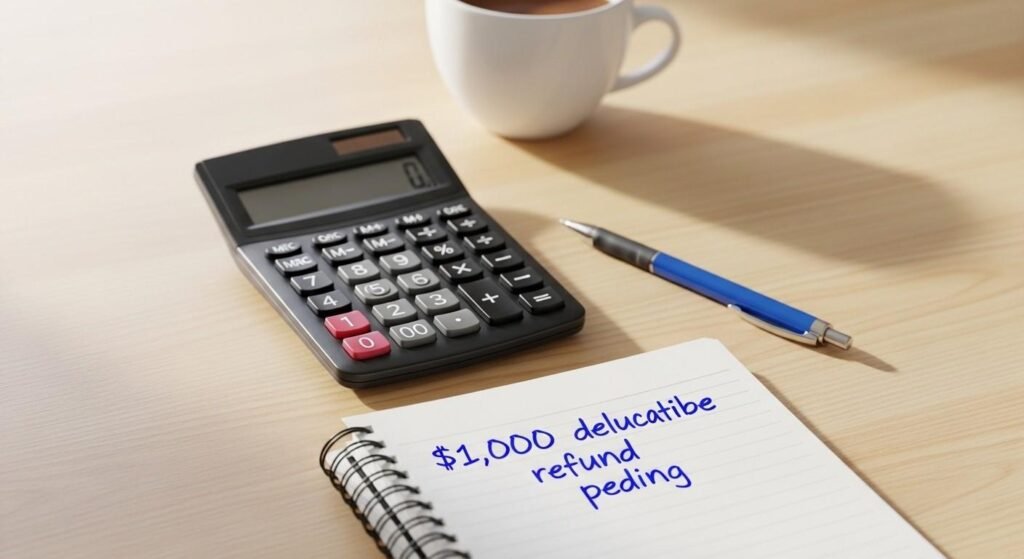
So you file a claim with your insurance company. They’ll fix your car fast — that’s what you pay them for. But you’ll pay your deductible upfront. Maybe $500 or $1,000 depending on your policy.
Then your insurance company goes after the other driver’s insurance to get that money back. It’s called subrogation, though you don’t need to remember that word. When they win — and with a citation against the other driver, they usually do — you get your deductible refunded.
But here’s the uncomfortable truth: that refund isn’t instant. It can take months. Meanwhile, you’re out $500. That’s real money. That’s a week of groceries or your kid’s soccer registration fee.

So even when the other driver was cited, you might still feel the financial pinch upfront. The system works, eventually. But “eventually” doesn’t fill your gas tank today.
What If You Were Partly at Fault? Other Driver Was Cited Meaning
Okay, this is where people get confused.
The officer cites the other driver for running a red light. But maybe you were speeding through the intersection. Or maybe you changed lanes without signaling right before impact. The citation says they broke the law. But that doesn’t automatically mean you were 100% blameless.
In most U.S. states — especially no-fault states like Florida, Michigan, and New York — things get muddy fast. Insurance companies can assign percentages of fault. Maybe they decide you were 20% responsible because you should’ve seen them coming and braked sooner. (Annoying, I know. But that’s how adjusters think.)
Now that citation still matters. It still helps your case. But instead of their insurance paying 100% of your damages, they might only pay 80%. You eat the other 20% through your own collision coverage — assuming you have it. If you don’t have collision coverage? Yeah. You’re paying that 20% out of pocket.
That feels unfair when the other guy got the ticket. And honestly? Sometimes it is unfair. But insurance isn’t about fairness. It’s about contracts and percentages and what you can prove.
A Quick Word on Police Reports (Because Most People Get This Wrong)
Here’s a mistake I see people make all the time.
They get into a minor fender bender. No police show up because there are no injuries and both cars are drivable. They exchange information and drive off. Then later, the other driver’s insurance says “we don’t have enough evidence to determine fault.”
Now compare that to a situation where an officer responded and issued a citation. Night and day difference.
Having a police report with a citation listed is like having a receipt after a dispute with a contractor. It’s not the final legal judgment, but good luck arguing against it. Insurance companies hate ambiguity. A citation removes most of the ambiguity.
So if you’re ever in a crash where there’s any debate about who caused it — even a small one — wait for the police. Yeah, it takes an hour. Yeah, it’s boring sitting there on the curb. But that piece of paper with the citation printed on it could save you thousands of dollars.
The Other Driver Was Cited. Should You Still Get a Lawyer?
Most people don’t need a lawyer for a regular fender bender where the other driver clearly got a ticket. Seriously. You’re probably fine handling it through insurance.
But — and this is a real but — if there are injuries involved, that changes everything. Even minor ones. Whiplash isn’t a joke, and soft tissue damage can show up days after the crash when you thought you were fine.
If the other driver was cited for something serious like DUI or reckless driving, and you or your passengers got hurt, yeah, talk to an attorney. Not because you’re greedy. Because medical bills in the U.S. are no joke, and the other driver’s insurance might try to lowball you while you’re still recovering and not thinking clearly.
For property damage only? Save your money. Let the insurance adjusters fight it out. The citation is on your side.
What About Your Own Insurance Rates?
This is the question everyone actually wants to ask but feels weird saying out loud.
Will my premium go up even though the other driver was cited?
Most of the time? No. Not if you weren’t at fault and your insurance company doesn’t have to pay out.
But here’s the annoying fine print. Some states allow insurance companies to consider “not-at-fault claims” when setting your rates. Not all states. And not all companies. But some do. It’s ridiculous — why should you be penalized for someone else running into you? — but insurance rating models aren’t always logical.
If you’ve filed multiple not-at-fault claims in a short period — say two or three in a year — some insurers might see you as “higher risk” simply because of where you live or drive. That might mean a small rate increase. Not huge. But real.
The other driver being cited helps you avoid the worst outcomes. But it doesn’t guarantee your rates won’t budge at all. Insurance is weird like that.
One Last Thing Nobody Mentions Other Driver Was Cited Meaning
The other driver getting a citation might actually hurt you in one very specific scenario.
If they have one of those bare-minimum insurance policies with laughably low property damage limits — like $5,000 or $10,000 total — and your car is worth more than that, you could be in a tough spot. The citation proves they’re at fault, sure. But their insurance will only pay up to their policy limit. If your car is totaled and worth $18,000, and their limit is $10,000, you’re eating that $8,000 difference unless you have underinsured motorist coverage.
Most people don’t know they have that coverage until they need it. Check your policy. Seriously. It’s usually cheap.
FAQ — Because Real People Have Real Questions Other Driver Was Cited Meaning
If the other driver was cited, do I still have to pay my deductible?
Depends. If you go through their insurance directly and they accept full liability, no — you shouldn’t pay anything. If you go through your own insurance to get repairs faster, you’ll pay your deductible upfront, but you’ll likely get it refunded later when your insurance company wins the case against the other driver’s insurance.
What if the other driver fights the ticket and wins?
Then that citation basically disappears as evidence. Their insurance will argue that if a judge dismissed the ticket, maybe fault isn’t so clear. That doesn’t mean you lose automatically — but it makes your case harder. Your insurance adjuster will still try to prove fault using photos, witness statements, and damage patterns.
Does a citation guarantee the other driver’s insurance pays quickly?
No, and I wish I could tell you otherwise. Insurance companies still investigate. They still take weeks sometimes. The citation speeds things up compared to having no police report, but “speeds up” might mean four weeks instead of eight. Not exactly overnight.
Should I tell my insurance company even if the other driver was cited?
Yes. Always. Even if you think it’s minor. Your policy almost certainly requires you to report any accident within a reasonable time. Plus, if the other driver changes their story later — and people do — you want your insurance company already aware of your version of events and the citation.
Look, here’s the bottom line. When the other driver was cited, you’re in a much better spot than if the officer had shrugged and said “we can’t determine fault.” That citation is leverage. It’s proof. It’s the closest thing to a shortcut through the messy world of insurance claims.
But it’s not a guarantee. And it’s not instant money.
Drive safe out there. And maybe double-check that you have uninsured motorist coverage. Future you will thank present you if some cited driver with a $10,000 policy totals your car.