Investment Return Calculator USA
Why Use an Investment Return Calculator?
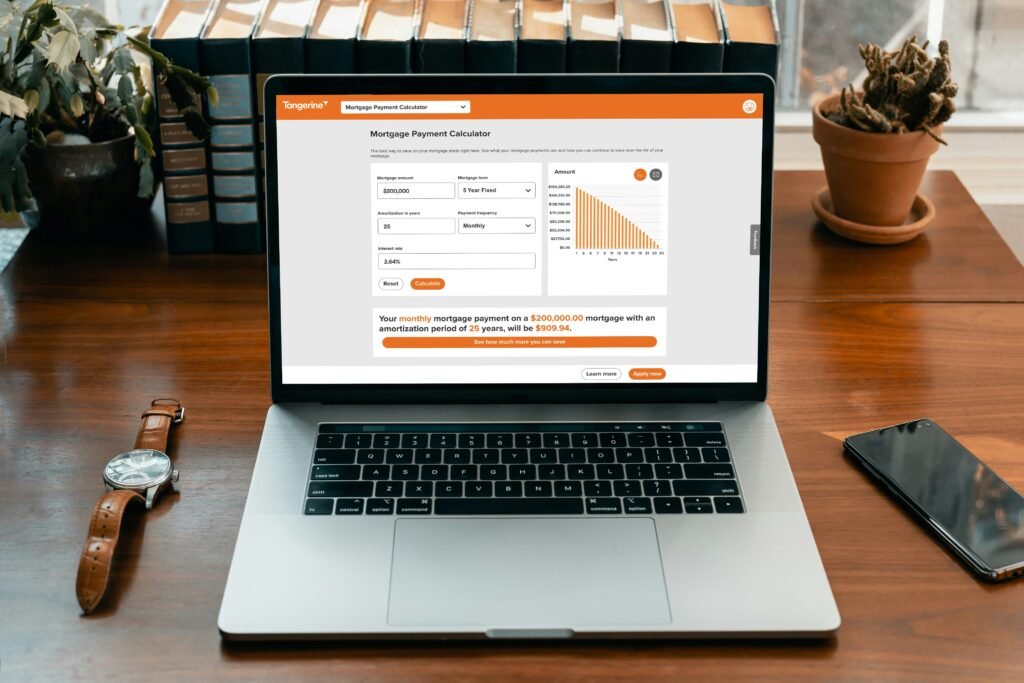
Planning for financial independence requires understanding how your money grows over time. Whether you’re saving for retirement, a child’s education, or building long-term wealth, an investment calculator helps you visualize the power of compound interest and consistent contributions.
Key Features of Our Investment Return Calculator
📊 Calculate Your Wealth Trajectory
- Initial Investment: Start with a lump sum
- Monthly Contributions: Add regular amounts
- Annual Return Rate: Input expected percentage
- Time Horizon: Choose investment duration in years
💡 Instant Results investment return calculator
- Total Amount Invested: See your total contributions
- Interest Earned: Watch compound growth in action
- Final Value: Project your ending balance
Understanding Your Results in investment return calculator
Total Investment Amount

This represents the sum of your initial deposit plus all monthly contributions over the investment period. It’s your “money in” – the principal you’ve contributed from your own pocket.
Total Interest Earned
This is the magic of compounding – the earnings generated by your investments. It shows how much your money has grown through market returns and compound interest.
Final Investment Value
Your ending balance – the sum of your total contributions plus all interest earned. This is your projected wealth at the end of your investment timeline.
Start Early, Benefit More
The sooner you start investing, the more time compound interest has to work. Even small monthly contributions can grow substantially over decades.
Be Consistent
Regular monthly contributions, regardless of market conditions, help build wealth through dollar-cost averaging. Consider setting up automatic transfers from your checking account.
Understand Your Risk Tolerance
Higher potential returns typically come with higher risk. Choose an expected annual return rate that aligns with your investment strategy and timeline.
Consider Tax-Advantaged Accounts
- 401(k) and IRA accounts offer tax benefits for retirement savings
- 529 plans provide tax advantages for education savings
- Health Savings Accounts (HSAs) offer triple tax benefits for medical expenses
Frequently Asked Questions
How is compound interest calculated?
Our calculator uses monthly compounding, which is typical for most investment accounts. Interest is calculated on both your principal and accumulated earnings each month.
What’s a realistic annual return rate?
Historical average returns:
S&P 500 index funds: 7-10% annually (long-term average)
Bond portfolios: 3-5% annually
Conservative investments: 1-3% annually
Use conservative estimates for planning purposes.
Should I include inflation?
Our calculator shows nominal returns. For purchasing power estimates, subtract expected inflation (typically 2-3%) from your projected returns.
Can I use this for retirement planning?
Yes! Input your current retirement savings, monthly contributions, and years until retirement to project your nest egg. Remember to consult a financial advisor for personalized planning.
Table of Contents
ADHD Budget Planner App | Debt Tracker, Bill Organizer (Digital Download)
Debt Payoff Tracker 💳 Debt Payoff Tracker Auto-savedFREE DEMO ⭐ Instructions 💳 My Debts 📊 Dashboard ❄️ Snowball Plan 🏔️ Avalanche Plan 📅 Payment Log 🎯 Debt-Free Countdown 🔒 This is a FREE DEMO — you can add up to 2 debts to test it out. Get the full version for unlimited debts, saved data,…
Free Debt Payoff Tracker — Try the Snowball & Avalanche Calculator
Paying off debt feels overwhelming when you don’t know where to start, which balance to attack first, or how much interest you’re really losing each month. That’s exactly why we built the Debt Payoff Tracker — a simple, visual tool that turns your credit cards, loans, and balances into a clear, step-by-step payoff plan. Instead…

Free Vehicle Bill of Sale Template & Generator | Fillable PDF
What Is a Vehicle Bill of Sale Template? A vehicle bill of sale is a document that records the private sale of a car, truck, SUV, motorcycle, ATV, UTV, van, RV, boat, or trailer. It confirms who bought and sold the vehicle, the price paid, the vehicle’s condition, and any disclosures both parties agreed to…

Best Brokerage for Beginners: Top 5 Picks for 2026
I remember staring at my bank balance about eight years ago, convinced I didn’t have “enough” money to start investing. I thought you needed thousands of dollars, a Wall Street connection, and maybe a fancy calculator just to get in the door. So I just… didn’t do anything. I let that money sit in a…
Stock Profit Calculator USA Capital Gains & Commission Tool
📊 Stock Profit Calculator USA 📈 Number of shares 💰 Buy price ($) 💸 Sell price ($) 🛒 Buy commission ($) 🏷️ Sell commission ($) 🏛️ Tax rate (%) 0% (No tax)15% (Long-term)20% (High income)37% (Short-term) 💰 Calculate My Profit Net Buy Cost: $0 Net Sell Proceeds: $0 Profit Before Tax: $0 Tax Amount: $0…
IUL vs Roth IRA vs 401k | Honest Take for Beginners
Here’s the thing nobody tells you when you first start hearing about retirement accounts: there are about a million ways to save for the future, and half of them come with acronyms that sound like government surveillance programs. IUL vs Roth IRA vs 401k free investment return calculator If you’ve ever stared at a benefits…
7 Best Side Hustles for Beginners in 2026
Let me be real with you for a second. Most “side hustle” articles you’ll find online were written by someone who’s never actually done any of them. They list the same seven things, slap some numbers on it, and call it a day. You read it, feel motivated for about eleven minutes, and then do…
Side Hustles for Nurses in 2026: 9 Real Ways to Earn Extra Income
why Start Side Hustles for Nurses Long shifts. Emotional exhaustion. The physical toll. And yet, depending on where you live in the U.S.—say, a coastal city or even a growing spot like Nashville or Austin—that paycheck might vanish faster than a turkey sandwich on a 12-hour night shift. How Much Can Nurses Realistically Earn From…
The Retirement Spending Gap (Real Math)
I used to think retirement was simple math. You save. You stop working. Then you spend what you saved until it runs out. That feels logical, right? Like filling a bathtub and then pulling the drain plug. So Retirement Spending Gap Video is Here But here’s the thing. That’s not what actually happens for a…

I saved $10 per day for 30 days—here’s how much I made
It started as a bet with myself. Not the kind of bet Where you put money on a game or talk yourself into buying something dumb. The boring kind. The kind where you look at your bank account on a random Tuesday and think, surely I can find ten bucks somewhere. So I tried it.…
ETF Fees: The Hidden Cost That Hurts Returns
Most people who start investing—especially young people finally ditching their latte-and-avocado-toast guilt—obsess over the wrong number. They stare at the big bold return percentage on a fund’s front page. 10% average annual return? But here’s what nobody puts on the billboard: fees. ETF fees I remember my first 401(k) rollover. I was 26, making $48k…