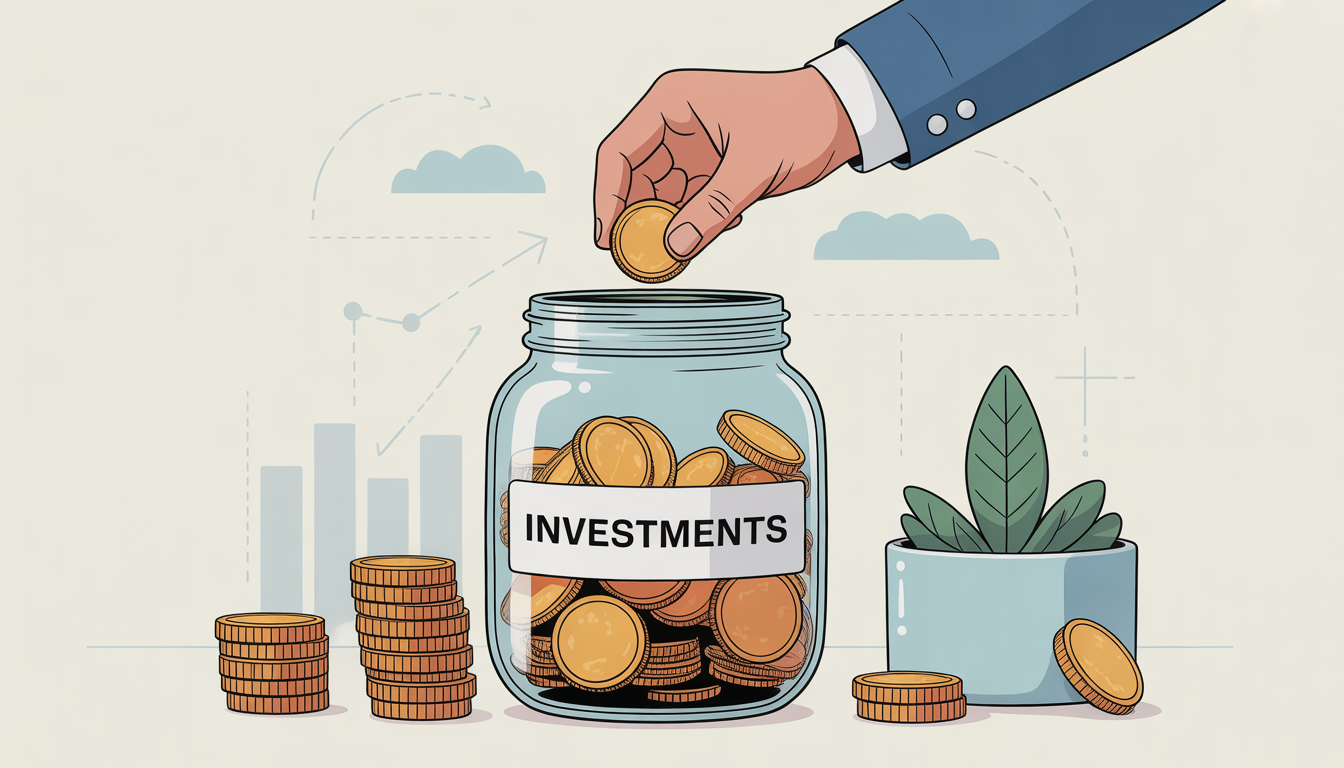
Passive Income Ideas For many Americans, the traditional 9-to-5 job is the primary source of income. You trade your time for a paycheck, and when the work stops, so does the money. If you are reading this, you might be feeling the pressure of that reality. You may be looking for a way to reduce financial stress, save for a house, or simply gain a little more breathing room in your monthly budget. free investment calculator
| Passive Income Idea | Startup Cost | Time to First Dollar | Risk Level |
|---|---|---|---|
| High-yield savings account | $0 | Immediate | Very Low |
| Dividend ETFs | $1+ | 3 months | Low-Medium |
| REITs | $1+ | 3 months | Medium |
| Selling digital products | $0–$50 | 1–4 weeks | Low |
| Affiliate marketing (blog) | $0 | 2–6 months | Low |
| Peer-to-peer lending | $25+ | 1 month | Medium-High |
| YouTube ad revenue | $0 | 3–12 months | Low |
| Renting out a room/space | Depends | Immediate | Low |

This desire for financial flexibility leads most beginners to the same question: How can I make money without actively working every single minute?
The answer lies in understanding passive income ideas. While the concept sounds like a dream—earning money while you sleep—the reality requires patience, planning, and a solid understanding of the basics. This guide will walk you through what passive income actually is, how beginners can approach it safely, and the risks you need to know before you start.
What is Passive Income?
Passive income is money earned from an enterprise or investment that requires minimal ongoing effort after the initial setup. It differs from active income (like your salary), where you are paid directly for the time you work.
However, it is crucial to understand a common misconception: passive income is rarely “no work.” Most successful passive income streams begin with a significant investment of time, energy, or capital upfront. The goal is to build an asset that eventually generates cash flow with less maintenance than a traditional job.
The Mindset Shift: From Consumer to Investor
Before diving into specific ideas, it helps to shift your mindset. Most beginners start by focusing on saving money, which is excellent. But to generate passive income, you need to think like an investor. You are moving from spending your money on things that lose value (liabilities) to buying assets that produce cash flow.
In the United States, this journey often starts with understanding tax-advantaged accounts like the 401(k) or Roth IRA. While those are retirement tools, they are foundational to long-term passive income. For those looking for income before retirement, there are several accessible avenues to explore.
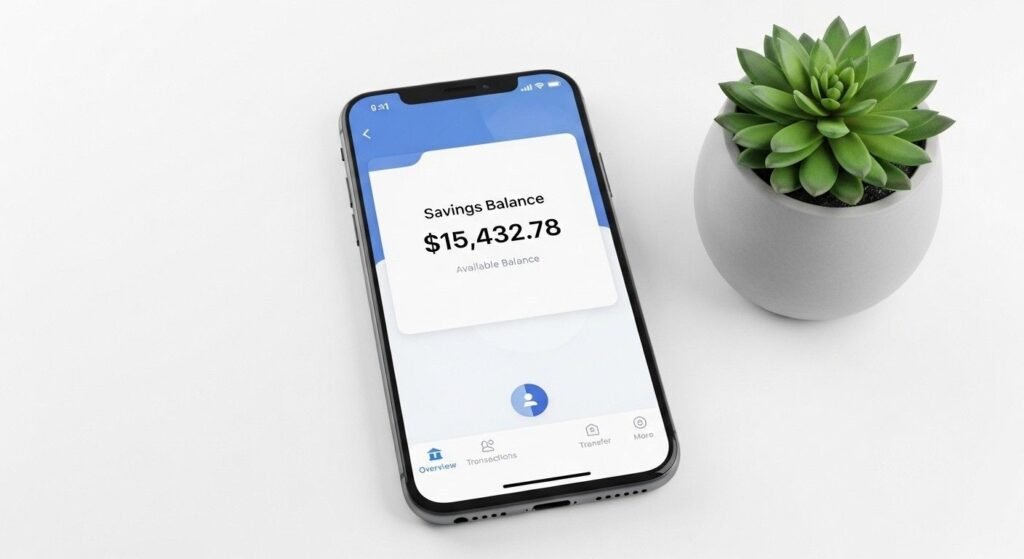
5 Beginner-Friendly Passive Income Ideas
Here are five practical ways to start building passive income streams. These are ranked roughly from most accessible to more capital-intensive.
1. High-Yield Savings Accounts and Certificates of Deposit (CDs)
If you are a beginner with a small amount of cash but no risk tolerance, this is the safest starting point.
How it works: You deposit money in a bank. The bank pays you interest (a percentage of your deposit) simply for holding your money there.
- High-Yield Savings Accounts: These offer higher interest rates than traditional brick-and-mortar banks. The money remains liquid, meaning you can withdraw it anytime.
- Certificates of Deposit (CDs): You agree to lock your money away for a set period (e.g., 6 months to 5 years) in exchange for a fixed interest rate.
Pros: FDIC insured (up to $250,000), zero risk to your principal, very low effort.
Cons: Returns are usually low compared to other investments. Currently, rates fluctuate based on the Federal Reserve’s decisions. While this won’t make you wealthy, it is a safe place to store your emergency fund while earning interest.
2. Dividend Stock Investing
Investing in the stock market is one of the most traditional ways to build passive income. Instead of trying to time the market by buying and selling stocks for a profit (which is active trading), dividend investing focuses on buying and holding.
How it works: When you buy shares of a company, you become a partial owner. Some established companies pay a portion of their profits to shareholders in the form of dividends. These are typically paid quarterly.
For example, if you own shares in a large US corporation, you might receive a cash payment every three months. Over time, if you reinvest those dividends to buy more shares, you harness the power of compounding.
Important Note: This is not a “get rich quick” strategy. It is a long-term game. Dividends are not guaranteed; companies can reduce or eliminate them during economic downturns. Additionally, you will need to consider capital gains tax on profits when you sell shares, and qualified dividends are subject to specific tax rates in the US.
3. Real Estate Crowdfunding
Buying an entire rental property is expensive and high-maintenance. For beginners who want exposure to real estate without becoming a landlord, crowdfunding platforms offer a middle ground.
How it works: A group of investors pools their money online to fund a real estate project—such as an apartment complex or a commercial building. You invest a relatively small amount (sometimes as low as $500 to $5,000) and receive a share of the rental income or the profits when the property is sold.
Pros: Allows you to invest in real estate with less capital; no dealing with tenants or maintenance issues.
Cons: These investments are often “illiquid”—you cannot easily withdraw your money. They may also involve higher fees than traditional stock investing.
4. Create Digital Products
If you have a skill or knowledge in a specific area, you can create a digital asset that sells itself while you sleep. This requires a significant time investment upfront but very little maintenance afterward.
How it works: You create a product once and sell it unlimited times.
- E-books: Write a guide on a topic you know well (gardening, budgeting, coding basics).
- Print-on-Demand: Design graphics for t-shirts, mugs, or phone cases. A third-party company prints and ships the item when a customer orders it. You collect the royalty.
- Online Courses: If you are an expert in something, platforms allow you to upload video lessons and collect payments.
Pros: High profit margins once the product is created; scalable.
Cons: Requires marketing to get noticed. The market is competitive, and success depends on how well you solve a problem for your audience.
5. Rental Income (with Management)
Owning a rental property is a classic passive income idea, but for beginners, it is rarely truly passive unless you hire help.
How it works: You purchase a property and rent it out. The rent covers the mortgage, taxes, insurance, and hopefully leaves a profit.
To make this passive rather than a second job, you must hire a property manager. They handle tenant issues, maintenance calls, and rent collection for a fee (usually 8–12% of the monthly rent).
Pros: Tangible asset; potential for appreciation and tax deductions.
Cons: High barrier to entry (down payment required). Vacancies or bad tenants can wipe out profits. Property management fees eat into your cash flow. Real estate is highly dependent on local markets.

Practical Guidance: Where Should You Start?
With so many options, beginners often feel paralyzed. The best approach is to start small and align the idea with your current resources.
- Assess Your Starting Point:
- If you have less than $1,000: Focus on high-yield savings or buying a single share of an index fund that tracks the S&P 500. Building the habit is more important than the initial return.
- If you have time but no money: Consider creating a digital product. Your intellectual property can be monetized with sweat equity rather than cash.
- If you have capital but no time: Look into dividend stocks or real estate crowdfunding.
- Automate Your Contributions: The easiest way to build passive income is to automate it. Set up a recurring transfer from your checking account to your investment or savings account. Treat this transfer like a bill you must pay.
- Understand Tax Implications: In the US, passive income is taxable. Interest from savings accounts is taxed as ordinary income. Dividends and capital gains have specific tax rates. Rental income has unique rules regarding depreciation. It is wise to consult a tax professional or use reputable tax software to understand your obligations.
Risk Awareness: Protecting Your Capital
Finance is a field where high reward is almost always paired with high risk. As a beginner, your primary goal should be to avoid losing money while you learn.
- Market Risk: Stocks and real estate go up and down. If you need the money in the short term, a market downturn could force you to sell at a loss.
- Scams: If an opportunity sounds too good to be true (e.g., “Guaranteed 20% monthly returns”), it is almost certainly a scam. Legitimate investments never guarantee profits.
- Illiquidity: Some passive income investments lock up your money for years. Before you invest, ensure you have a separate emergency fund (3–6 months of expenses) in a liquid, safe account.
- Inflation: If your money sits in a standard checking account, it loses purchasing power over time because inflation rises faster than the interest rate.
No one can predict the market. Anyone who tells you they know exactly when to buy or sell is not being honest. The most successful long-term investors focus on consistency, not timing.

Common Mistakes and Misconceptions
To stay safe on your journey, avoid these common pitfalls:
- Assuming “Passive” Means “No Work”: Many beginners buy a rental property thinking they will just collect checks, only to be overwhelmed by 3 a.m. calls about a broken toilet. Passive income requires systems, not abandonment.
- Chasing Yield: Beginners often chase the highest possible interest rate without understanding the risk. A “junk bond” or a shady cryptocurrency scheme promising 20% interest is likely to result in a total loss of principal.
- Ignoring Fees: Investment fees (management fees, expense ratios) eat away at your returns over decades. A 1% fee might not sound like much, but over 30 years, it can consume nearly 30% of your potential growth.
- Lack of Diversification: Putting all your money into one stock or one property is gambling. Diversification—spreading money across different types of assets—is the closest thing to a “free lunch” in finance.
Long-Term Perspective: Building Wealth Slowly
If there is one thing that separates successful investors from frustrated beginners, it is patience. Building passive income is like planting a tree. You don’t dig it up every day to see if the roots are growing.
The most powerful tool you have is compound interest. This is the process where your earnings generate their own earnings. If you invest $5,000 today and add $200 a month, assuming a modest average return, you could see significant growth over 20 or 30 years.
For US investors, utilizing retirement accounts like a Roth IRA is a strategic way to let this compounding happen tax-free. While you can’t access the earnings until retirement age without penalties, it is the most efficient vehicle for long-term wealth building.
Final about passive income ideas
Passive income ideas are not magic buttons that turn a small amount of money into millions overnight. They are tools that, when used correctly and patiently, can provide financial security, freedom, and options.
As a beginner, your focus should be on education and safety. Start by building a solid emergency fund. Explore one or two of the ideas mentioned here, but start small. Whether it is earning 4% interest in a savings account or buying your first dividend-paying stock, the goal is to begin.
The journey to financial independence is a marathon, not a sprint. By making informed decisions, avoiding unnecessary risk, and staying consistent, you can build streams of passive income that support your life goals for decades to come.

Frequently Asked Questions (FAQs)
1. How much money do I need to start generating passive income?
You can start with very little. High-yield savings accounts often have no minimum balance. For investing, many brokerage accounts allow you to buy fractional shares of stocks or ETFs for as little as $5 or $10. The amount you need depends entirely on the strategy you choose. The most important factor is consistency—adding money regularly over time—rather than the initial lump sum.
2. Is passive income taxable in the United States?
Yes, almost all forms of passive income are taxable. Interest from savings accounts is taxed as ordinary income. Dividend income and capital gains from selling assets are taxed at specific rates depending on how long you held the asset. Rental income must be reported as well, though you can often deduct expenses. It is highly recommended to keep accurate records and consult a tax professional to avoid surprises during tax season.
3. What is the safest passive income for beginners?
For absolute safety of your principal (original money), a High-Yield Savings Account (HYSA) or a Certificate of Deposit (CD) insured by the FDIC is the safest option. Your money does not fluctuate in value, and you earn a guaranteed interest rate. While the returns are lower, this is the best place to start if you are risk-averse or building an emergency fund.
4. Can I rely on passive income to quit my job?
For most beginners, it is unrealistic to rely on passive income to replace a full-time salary immediately. Building enough cash flow to cover living expenses usually takes years of disciplined saving and investing. It is safer to view passive income as a supplement to your active income initially, reinvesting the earnings to grow your portfolio faster until the income stream reaches a sustainable level.
Table of Contents
ADHD Budget Planner App | Debt Tracker, Bill Organizer (Digital Download)
Debt Payoff Tracker 💳 Debt Payoff Tracker Auto-savedFREE DEMO ⭐ Instructions 💳 My Debts 📊 Dashboard ❄️ Snowball Plan 🏔️ Avalanche Plan 📅 Payment Log 🎯 Debt-Free Countdown 🔒 This is a FREE DEMO — you can add up to 2 debts to test it out. Get the full version for unlimited debts, saved data,…
Free Debt Payoff Tracker — Try the Snowball & Avalanche Calculator
Paying off debt feels overwhelming when you don’t know where to start, which balance to attack first, or how much interest you’re really losing each month. That’s exactly why we built the Debt Payoff Tracker — a simple, visual tool that turns your credit cards, loans, and balances into a clear, step-by-step payoff plan. Instead…

Free Vehicle Bill of Sale Template & Generator | Fillable PDF
What Is a Vehicle Bill of Sale Template? A vehicle bill of sale is a document that records the private sale of a car, truck, SUV, motorcycle, ATV, UTV, van, RV, boat, or trailer. It confirms who bought and sold the vehicle, the price paid, the vehicle’s condition, and any disclosures both parties agreed to…

Best Brokerage for Beginners: Top 5 Picks for 2026
I remember staring at my bank balance about eight years ago, convinced I didn’t have “enough” money to start investing. I thought you needed thousands of dollars, a Wall Street connection, and maybe a fancy calculator just to get in the door. So I just… didn’t do anything. I let that money sit in a…
Stock Profit Calculator USA Capital Gains & Commission Tool
📊 Stock Profit Calculator USA 📈 Number of shares 💰 Buy price ($) 💸 Sell price ($) 🛒 Buy commission ($) 🏷️ Sell commission ($) 🏛️ Tax rate (%) 0% (No tax)15% (Long-term)20% (High income)37% (Short-term) 💰 Calculate My Profit Net Buy Cost: $0 Net Sell Proceeds: $0 Profit Before Tax: $0 Tax Amount: $0…
IUL vs Roth IRA vs 401k | Honest Take for Beginners
Here’s the thing nobody tells you when you first start hearing about retirement accounts: there are about a million ways to save for the future, and half of them come with acronyms that sound like government surveillance programs. IUL vs Roth IRA vs 401k free investment return calculator If you’ve ever stared at a benefits…
7 Best Side Hustles for Beginners in 2026
Let me be real with you for a second. Most “side hustle” articles you’ll find online were written by someone who’s never actually done any of them. They list the same seven things, slap some numbers on it, and call it a day. You read it, feel motivated for about eleven minutes, and then do…
Side Hustles for Nurses in 2026: 9 Real Ways to Earn Extra Income
why Start Side Hustles for Nurses Long shifts. Emotional exhaustion. The physical toll. And yet, depending on where you live in the U.S.—say, a coastal city or even a growing spot like Nashville or Austin—that paycheck might vanish faster than a turkey sandwich on a 12-hour night shift. How Much Can Nurses Realistically Earn From…
The Retirement Spending Gap (Real Math)
I used to think retirement was simple math. You save. You stop working. Then you spend what you saved until it runs out. That feels logical, right? Like filling a bathtub and then pulling the drain plug. So Retirement Spending Gap Video is Here But here’s the thing. That’s not what actually happens for a…

I saved $10 per day for 30 days—here’s how much I made
It started as a bet with myself. Not the kind of bet Where you put money on a game or talk yourself into buying something dumb. The boring kind. The kind where you look at your bank account on a random Tuesday and think, surely I can find ten bucks somewhere. So I tried it.…
ETF Fees: The Hidden Cost That Hurts Returns
Most people who start investing—especially young people finally ditching their latte-and-avocado-toast guilt—obsess over the wrong number. They stare at the big bold return percentage on a fund’s front page. 10% average annual return? But here’s what nobody puts on the billboard: fees. ETF fees I remember my first 401(k) rollover. I was 26, making $48k…
What Does Expense Ratio Mean in ETFs? Easy Explain
Here’s the Expense Ratio Mean in ETFs: everyone loves how easy they are to buy. You open an app, type a ticker, click a button, and bam—you own a slice of hundreds of companies. Feels almost too simple. See video on Youtube And that’s where the trouble starts. Because buried in that simplicity is a…
Can ETFs Lose Money? Understanding the Risks
I remember the first time I bought an ETF. It was a few years back, right around the time everyone was talking about “passive investing” can ETFs lose money. Yes why like it was some kind of cheat code. I’d just switched jobs, rolled over an old 401(k), and figured I’d play it smart. Low…
Diversification With ETFs: Why Beginners Get It Wrong
You hear “Diversification With ETFs” and your eyes glaze over. Sounds like something a guy in a suit says before charging you 1% to do nothing. But here’s the thing—most people. See video about ETEs I know, including some who are pretty smart with money, accidentally end up doing the exact opposite. They buy a…
Next Stock Market Crash Prediction (Beginners Get Wrong)
Here’s the thing nobody tells you about stock market crash predictions: they’re everywhere, all the time, and most of them are wrong. But that doesn’t mean we should ignore the possibility entirely. I was grabbing coffee last week—overpriced oat milk latte, because that’s how I cope—and overheard two guys at the next table. One was…
What Is a Collective Investment Trusts? (CITs)
You ever check your 401(k) statement and see something called a “collective investment trusts ” buried in the fine print? Yeah, me too. For the longest time, I just assumed it was some fancy legal term for “we’re moving your money around, don’t worry about it.” Which, honestly, is not a great feeling when it’s…
How to Invest in Apartment Buildings (1 Easy Guide)
I remember standing outside a four-plex in Tulsa about seven years ago, thinking. I was about to make the biggest mistake of my life. Or the smartest move. Turns out, it was a little of both. see more in Video click here how to invest in apartment buildings My hands were sweating. The numbers on…
Why IUL Is a Bad Investment for Most People (And What to Do Instead)
I remember sitting across from a guy named Mark at a Panera in Phoenix back in 2019. He was friendly, drove a nice car, and kept using the phrase “tax-free retirement” like it was some kind of magic spell. He was selling me on an Indexed Universal Life policy—IUL for short—and by the end of…
What Are Specified Investment Products? Easy Guide
I remember sitting across from a guy named Dan at a coffee shop in Austin a few years back. Dan was the kind of friend who made decent money as a project manager but kept most of it in a savings account because, in his words, “the stock market feels like gambling.” I was trying…
How to Make Money Fast as a Woman: Investing Guide
In a world where financial independence is more important than ever, many women are searching for ways to take control of their economic future. Whether you are looking to build an emergency fund, pay down student loans, or simply stop living paycheck to paycheck, the question often arises: how to make money fast as a…
Dave Ramsey Investment Calculator: How to Build Wealth
The Dave Ramsey investment calculator is a powerful financial planning tool designed to help investors estimate the long-term growth of their retirement savings. Inspired by the investment principles popularized by financial expert Dave Ramsey, this calculator focuses on three key elements: How To Use It Click Here Unlike basic interest calculators, this tool factors in…

What Is a Collective Investment Trust? 401(k) Guide
If you’ve ever looked at your 401(k) statement and felt a little knot in your stomach—not because of the balance, but because you weren’t quite sure what you were looking at—you’re in the right place. See Videos On Youtube Maybe you saw a line item labeled “CIT” or “Collective Trust” and thought, “Is that a…
5 Passive Income Ideas for Beginners in the USA (2026) — With Real Numbers
Passive Income Ideas For many Americans, the traditional 9-to-5 job is the primary source of income. You trade your time for a paycheck, and when the work stops, so does the money. If you are reading this, you might be feeling the pressure of that reality. You may be looking for a way to reduce…
How To Start Up Business With Little Capital & Easy Money
You have a great business idea. You can see the logo in your mind, and you know there is a market for what you want to sell. But when you look at your bank account, the excitement fades. You assume that starting a business requires a massive loan, expensive office space, or a huge inventory…
How Do You Get Rich with No Money? Beginner’s Guide
We have all seen the headlines: “From Rags to Riches” and “How I Made Millions by 30.” If you are currently staring at a bank account that feels stuck at zero, the concept of building wealth can feel like a fantasy reserved for lottery winners or tech entrepreneurs. You might be asking yourself: How do…
What to Know Before Choosing Steady Capital Solutions
If you are new to investing, the sheer number of financial firms and platforms available can feel overwhelming. You might have heard the name “Steady Capital Solutions” floating around in online forums or social media ads, and now you are searching for steady capital solutions reviews to determine if it is the right place to…
What Is an ETF? A Beginner’s Guide to Exchange-Traded Funds
Imagine a world where investing in the stock market feels as easy as shopping for groceries online. In recent years, Exchange-Traded Funds, or ETFs, have revolutionized the way both novice and seasoned investors approach the financial markets. But what is an ETF and how does it work? As the financial landscape continues to evolve rapidly,…
What Happens to Stocks During a Market Crash?
Let’s be honest: turning on the news and hearing that the stock market crash is “plunging” or “in the red” can feel terrifying. If you are new to investing, the word “crash” probably brings up images of the Great Depression—panic, chaos, and people losing everything. Your stomach might drop. You might wonder if you should…
Market Volatility Explained: What It Means for Your Money
If you’ve just started checking your investment app or your 401(k) balance, you might have noticed that some days the numbers jump up, and other days they drop sharply. If that sinking feeling in your stomach feels familiar, you are not alone. see video on youtube For beginners, watching the stock market fluctuate can feel…
7 Stock Market Myths Beginners Still Believe (Debunked)
Many Americans want to start investing but hesitate because of things they’ve heard about the stock market. Some believe you need thousands of dollars to begin. Others think investing is basically gambling. The truth is that many beginners stay out of the market because of misinformation. These myths often come from outdated advice, social media…